🚨 24/7 Live Emergency Water Leak Detection • Broomfield & Front Range
PipeGuard Pro Emergency Water Leak Detection Broomfield CO Logo
Broomfield, CO • Dedicated Pipe Leak Locating

Pipe Leak Detection in Broomfield, CO – Fast Non-Invasive Solutions

Water appearing unexpectedly in your home can be stressful, especially when you cannot see where it is coming from. When you suspect an active pressurized pipe break, PipeGuard Pro provides fast 24/7 emergency water leak detection in Broomfield. Whether you are hearing water hissing inside a wall, noticing moisture along baseboards, or finding damp ceiling and wall spots, locating the exact pipe leak quickly protects your home.
Water appearing unexpectedly
Hearing water inside walls
Unexplained water usage
Damp flooring & hidden leaks
Call (720) 753-0254 Now
Serving Broomfield (80020, 80021, 80023) & Front Range
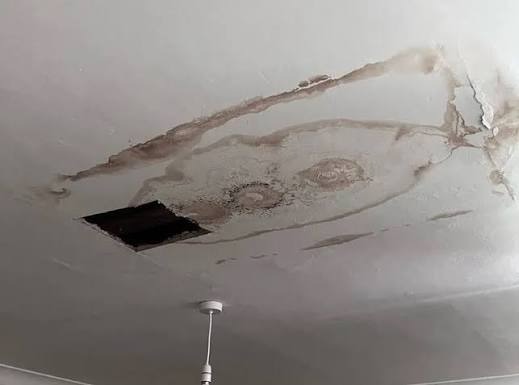
Brown water stain ring on ceiling caused by hidden second-floor bathroom pipe leak in Broomfield
Active ceiling drip & water staining from an upstairs pipe leak
Fast Local Response
Suspect a Hidden Pipe Leak?

Water travels along drywall and framing before pooling. Our emergency water leak detection in Broomfield, CO pinpoints the source fast so repairs can be completed without unnecessary demolition.

Call (720) 753-0254
Immediate Problem

Suspect a Leaking Pipe?

If water is spreading or you suspect an active leak behind a wall, under flooring, or in a ceiling, having the pipe located promptly can give you clarity on what needs to be repaired. Contact PipeGuard Pro for emergency leak detection in Broomfield and surrounding Front Range communities.

Targeting Hidden Pipe Leaks

Can't Find Which Pipe Is Leaking?

A plumbing pipe can develop a leak without the damaged section ever being directly visible. Water leaking behind a wall, under flooring, or through a ceiling often follows beams, drywall seams, and subflooring before appearing in an entirely different spot.

You might notice dampness along baseboards, a soft spot on hardwood flooring, or ceiling leaks on a lower-level. In other situations, you may simply hear water hissing quietly inside a wall cavity or discover that your water meter is turning even when every faucet is shut. When the leak is hidden from sight, locating the precise area where water is escaping is the best way to prevent unnecessary damage.
  • Water Behind Walls: Moisture hidden behind drywall or plaster that travels vertically.
  • Damp Flooring: Unexplained dampness or warped planks over subfloor runs.
  • Ceiling Stains: Discolored rings or active drips spreading from overhead piping.
  • Water Meter Movement: The meter dial continues spinning when all fixtures are turned off.
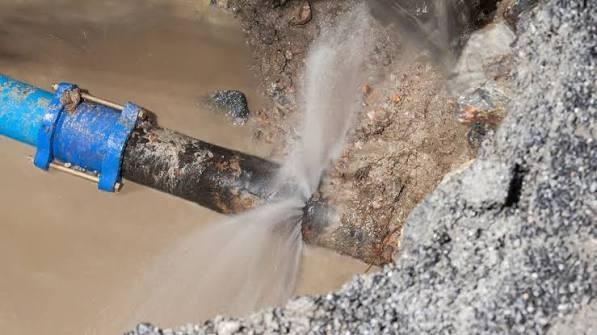
Active emergency water pipe burst requiring immediate water shutoff and leak detection in Broomfield
Supply Line Pressure
High-pressure pipe leaks can release significant water quickly
Plumbing System Essentials

What Is a Pipe Leak?

A pipe leak occurs when a plumbing pipe or water line carrying pressurized water or drainage develops an opening, crack, pinhole, or compromised fitting. Because the modern residential plumbing system is routed through structural walls, beneath subfloors, and across ceiling cavities, water that escapes from a pipe often does not reveal itself immediately at the point of origin.

Instead, gravity and building materials guide the escaping water along framing, insulation, or pipe channels. This means visible moisture appearing in one room could be originating from a supply line or fitting located several feet away. Understanding that water travels helps explain why finding the exact leaking pipe requires careful locating rather than guessing.

Plumbing Pipes
Copper, PEX & PVC
Water Supply Lines
Pressurized hot & cold lines
Wall & Ceiling Cavities
Hidden structural pathways
Flooring & Subfloors
Under-floor plumbing runs
Diagnostic Indicators

Signs You May Have a Leaking Pipe

Not every pipe leak creates a visible flood. Recognizing subtle signs can help you identify a problem before water spreads further:
  • Water Stains on Walls or Ceilings: Brown, yellow, or ringed discoloration on drywall or plaster often indicates water dripping from a pipe inside the wall or overhead ceiling.
  • Damp or Wet Flooring: Unexplained damp spots on carpets, warped hardwood planks, or loosening tiles can occur when slab leaks develop beneath the floor or along nearby baseboards.
  • You Hear Water When Fixtures Are Off: Faint hissing, trickling, or running water sounds when faucets and appliances are not in use can point to a pressurized pipe leak inside a wall.
  • Your Water Meter Keeps Moving: If the dial or leak indicator on your water meter moves continuously while all taps remain off, water is actively escaping somewhere in the system.
  • Your Water Bill Suddenly Increases: A sudden, unexplained jump in monthly water consumption without a change in household habits is a common sign of an undetected pipe leak.
  • Musty Odors or Persistent Moisture: Damp air, humid closets, or an earthy musty smell in a specific room can signal moisture buildup from a slow, continuous plumbing line leak.
  • Water Appears Away From the Suspected Pipe: Water follows the path of least resistance, traveling along floor joists or pipe channels before dripping into an area far from the actual leaking pipe.
Brown water stain ring on ceiling caused by hidden second-floor bathroom pipe leak in Broomfield
Ceiling & Wall Leaks
Water stains indicate moisture escaping from overhead or wall pipes
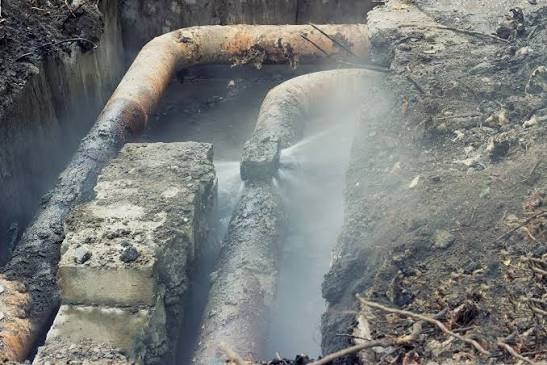
Underground main water supply line leak located in yard trench for non-destructive repair
Plumbing Infrastructure
Supply lines and pipe runs navigate throughout wall, ceiling, and floor cavities
Common Locations

Where Can a Plumbing Pipe Leak Occur?

Plumbing lines run throughout the entire structure of a home. Leaks can develop in several distinct areas:

  • Inside Walls: Vertical risers and supply pipes routed through wall studs can develop pinholes or loose fittings, dampening insulation and drywall from the inside out.
  • Under Floors: Plumbing lines routed under floorboards, subfloor framing, or crawl space joists can drip silently, creating localized floor swelling or moisture buildup.
  • Ceiling or Upper-Level Plumbing: Pipes supplying second-story bathrooms, laundry fixtures, or upstairs appliances can leak downward, creating water stains on lower ceilings.
  • Water Supply Lines: Main water supply pipes and branch lines under constant municipal pressure can experience continuous water escape if a seam or fitting weakens.
  • Hot and Cold Water Pipes: Both hot water supply lines (subject to thermal expansion and contraction) and cold lines (prone to seasonal temperature swings) can develop leaks over time.
Potential Contributing Factors

What Can Cause a Pipe Leak?

Plumbing leaks occur for a variety of reasons. While every home is unique, several common factors can contribute to a pipe developing a leak:

  • Pipe Deterioration: Over years of use, standard piping materials can gradually wear thin, especially in older plumbing installations.
  • Damaged Pipe Connections: Fittings, elbows, solder joints, and crimp rings may loosen or degrade due to regular vibration or thermal movement.
  • Corrosion: Chemical reactions with local water chemistry or galvanic corrosion between dissimilar metals can produce small pinholes.
  • Excessive Water Pressure: High municipal water pressure can place continuous strain on pipe walls, valves, and connection points over time.
  • Physical Damage: Accidental punctures from picture hanging nails, renovation work, or settling building framing may compromise a line.
  • Aging Plumbing Components: Gaskets, shut-off valves, and threaded couplings naturally experience wear and may develop slow seepage as they age.
Active emergency water pipe burst requiring immediate water shutoff and leak detection in Broomfield
Wear & Pressure Strain
Pressure fluctuations and age can weaken pipe walls and joints
Systematic Locating

How Pipe Leak Detection Helps Locate the Source

Locating a hidden leak follows a methodical approach to narrow down where water is escaping without unnecessary disruption.

01

Identify the Signs

Review moisture patterns, unusual water meter movement, sounds inside walls, and visible symptoms in the home.

02

Narrow Down the Area

Isolate specific plumbing lines and zones to determine which section of the piping network is experiencing pressure loss.

03

Locate the Suspected Leak

Focus on pinpointing the likely origin of escaping water rather than just inspecting where surface moisture accumulated.

04

Determine the Next Step

Provide a clear explanation of the suspected leak location so you can make informed decisions regarding plumbing repair.

Understanding Hidden Water Movement

Hidden Pipe Leaks Can Be Difficult to Find

A hidden pipe leak behind drywall or beneath finished flooring presents unique challenges for homeowners. Because water follows gravity and structural channels, the visible stain or damp spot you see is not necessarily the exact location where the pipe is broken.

Water escaping from a small pinhole leak can travel along a horizontal pipe, run down a vertical wall stud, or spread between subfloor layers before soaking through a ceiling or baseboard. Small leaks that release only small amounts of water at a time may not cause immediate puddling, but they can gradually create unexplained water usage and persistent dampness. Professional leak locating focuses on tracking back to the original source rather than assuming the surface moisture tells the whole story.

Understanding Your Leak Type

Is It a Pipe Leak or Another Type of Water Leak?

Different types of plumbing leaks display different symptoms and require distinct locating methods. Understanding the differences helps identify which part of your water system needs attention:

  • Interior Pipe Leaks: Pressurized domestic supply lines, risers, and drain pipes routed through wall cavities, floor joists, or overhead ceiling spaces. Symptoms include damp drywall, peeling paint, ceiling rings, and subtle running water sounds inside walls.
  • Slab Leaks (Sub-Foundation): Plumbing supply lines or drain pipes encased beneath the concrete foundation slab. Symptoms typically include warm floor patches, damp carpets over concrete, and continuous water meter movement with no visible indoor water.
  • Underground Main Line Leaks: The buried exterior service line running from your municipal water meter at the curb to the home shut-off valve. These leaks often create soggy yard patches, mushy lawn areas, or unexpected drops in household water pressure.
  • Fixture & Appliance Leaks: Water escaping from exposed plumbing fixtures, such as worn toilet flappers, dripping faucets, loose angle stop valves, or aging washing machine and dishwasher supply hoses.
  • Irrigation & Sprinkler Leaks: Underground sprinkler pipes, zone control valves, or drip irrigation lines located outside in landscape areas, which typically show continuous meter spinning only when the irrigation main is open.
Active emergency water pipe burst requiring immediate water shutoff and leak detection in Broomfield
Diagnostic Classification
Accurately distinguishing between interior pipe runs, sub-slab lines, and exterior mains
Action Triggers

When Should You Request Pipe Leak Detection?

If you encounter any of the following circumstances, professional leak locating can help identify where the water is escaping:

  • 1. You See Water but Can't Find the Source: Puddles or damp patches are appearing, but no visible pipe or faucet is dripping nearby.
  • 2. Your Water Meter Moves With Everything Off: All taps and appliances are shut down, yet your water meter continues to show flow.
  • 3. You Hear Water Inside a Wall: An unexplained rushing, hissing, or dripping sound is audible in a quiet room.
  • 4. You Have Repeated Dampness: An area dries out only to become wet or humid again without a clear explanation.
  • 5. Your Water Usage Changed Without Reason: Your utility statement reflects an unexpected surge in water volume without higher usage.
  • 6. You Suspect a Hidden Plumbing Leak: Persistent odors, peeling paint, or warm spots suggest moisture behind building materials.
Brown water stain ring on ceiling caused by hidden second-floor bathroom pipe leak in Broomfield
Prompt Locating
Pinpoint the source before water causes deeper structural staining
Preventing Ongoing Loss

Why Finding the Source of a Pipe Leak Matters

Addressing a pipe leak begins with identifying the suspected source accurately. When a leak continues undetected, ongoing water loss can add to monthly utility expenses while introducing sustained moisture into nearby building materials.

Moisture accumulation around framing, drywall, and flooring can weaken surfaces and create conditions for lingering dampness. By locating the suspected pipe leak early, homeowners gain a clear starting point for repair, enabling targeted plumbing solutions rather than exploratory cutting across wide areas.

Local Service Coverage

Local Pipe Leak Detection in Broomfield, CO near You

Broomfield homeowners experience diverse plumbing configurations, ranging from established homes in central Broomfield with copper water lines to newer residential builds in Anthem and Interlocken featuring modern PEX supply lines.

Colorado's seasonal temperature fluctuations and municipal water pressure variations can place demands on plumbing systems. When water lines or interior pipes develop leaks, having local leak locating services across Broomfield County helps identify the issue promptly.

Broomfield (80020) Broomfield (80021) Broomfield (80023) Broomfield (80038) Broomfield County, CO
Underground main water supply line leak located in yard trench for non-destructive repair
Front Range Plumbing Systems
Locating residential plumbing and supply line leaks across Broomfield
Why Choose PipeGuard Pro

Why Call Pipe Guard Pro for Pipe Leak Detection?

We focus on providing accurate, practical leak locating to help you understand your plumbing situation clearly:

  • Focused on Leak Locating: Our primary objective is finding where water is escaping so that repair decisions can be made with confidence.
  • Clear Explanation of Findings: We walk you through what we found, where the suspected leak is located, and the evidence indicating that spot.
  • Emergency Detection Experience: Experienced with urgent residential water leak situations where fast locating helps mitigate water loss.
  • Local Broomfield Service: Direct local service for Broomfield and nearby communities across the North Denver metro and Boulder area.
Active emergency water pipe burst requiring immediate water shutoff and leak detection in Broomfield
Dedicated Locating
Focused diagnostic locating for Broomfield residential plumbing
Common Questions

Pipe Leak Detection Broomfield CO FAQs

Answers to frequently asked questions about locating residential pipe and plumbing leaks.

What are the signs of a leaking pipe?
Common signs include visible water stains on drywall or ceilings, damp flooring, the sound of water hissing or dripping inside a wall when all faucets are closed, an unexplained increase in your water bill, and a water meter dial that continues turning.
How do I know if I have a hidden pipe leak?
A hidden leak is often indicated when you observe localized humidity, persistent musty smells, peeling paint or wallpaper, or when your water meter continues moving after you have confirmed that every plumbing fixture is turned off.
Can a leaking pipe be inside a wall?
Yes. Water supply pipes and drainage lines are installed inside interior and exterior wall cavities. A pinhole leak or failing joint inside a wall can release water into insulation and along framing before reaching the visible drywall surface.
Why is my water meter running when everything is off?
If all indoor faucets, toilets, ice makers, and outdoor hose bibs are fully closed, any continuous movement on the meter's low-flow dial points to pressurized water escaping from somewhere in the plumbing network.
Can a pipe leak cause a high water bill?
Yes. A continuous pinhole leak in a pressurized water line can lose hundreds to thousands of gallons over the course of a month, often resulting in a noticeable financial spike on your utility bill.
Can a pipe leak occur under a floor?
Yes. Water lines frequently traverse floor joists or crawl spaces beneath finished rooms. Leaks occurring under flooring can manifest as soft spots, cupped wood planks, or damp baseboards.
How is a hidden pipe leak located?
Professional detection involves isolating plumbing sections, using specialized acoustic sensors to listen for pressurized water escaping, thermal imaging to detect temperature anomalies, and moisture depth mapping to pinpoint the suspected area.
When should I have a suspected pipe leak checked?
You should schedule leak detection as soon as you notice signs of unexplained water or continuous meter activity. Identifying the source early provides the information needed to resolve the plumbing issue before water spreads.
Local Broomfield Dispatch

Need a Leaking Pipe Located?

If you are dealing with unexplained water or suspect a hidden pipe leak inside your walls, ceiling, or floors, PipeGuard Pro can help narrow down the source.